

In this article, we study the differences between Freud’s and Erikson’s psychosocial theories. Freud and Erikson are the two giants of development theory. Both explored the interesting journey of human development, but from different perspectives. Both believed that development is a lifelong process and that an individual learns, grows, and improves throughout their life.
Both theories have their own significance and importance, and they give us different perspectives on human growth and development, and also help us contribute to and apply them to a pertinent point.
To understand the differences between Freud and Erikson psychosocial theories, we will go through the following points:
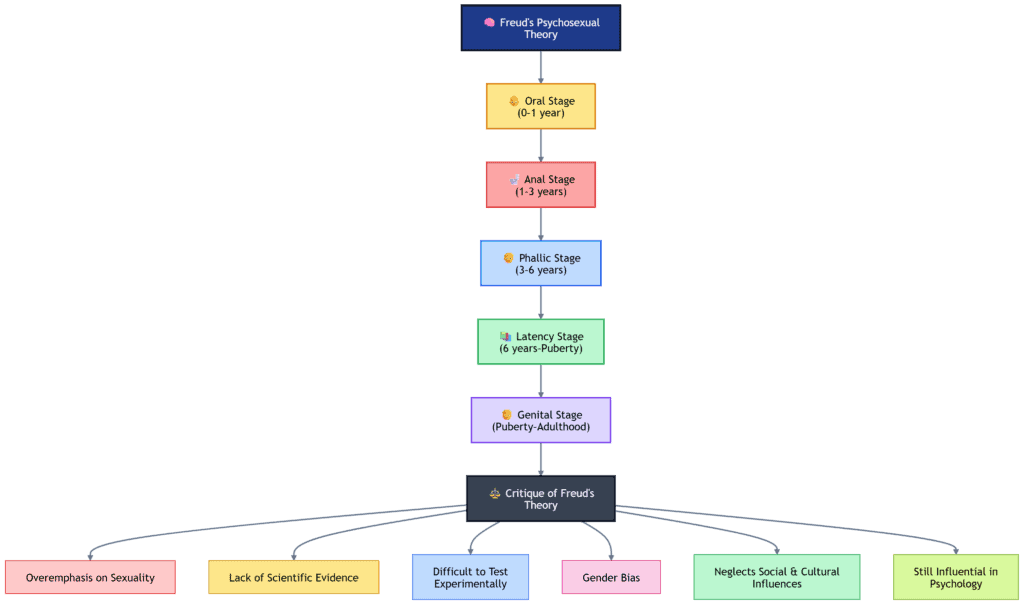
1. Freud’s psychosexual theory has 5 stages of development, while Erikson’s psychosocial theory has 8 stages of development.
Freud’s developmental stages:
Freud’s psychosexual theory is one of the most controversial theories in history because of its emphasis on sexuality. However, its contribution to psychology is still significant, and it has helped us understand child development.
following are the five stages:
Oral Stage
Anal Stage
Phallic Stage
Latency Stage
Genital Stage
Critique of Freud’s Theory
Erikson’s Eight Stages of Psychosocial Development:
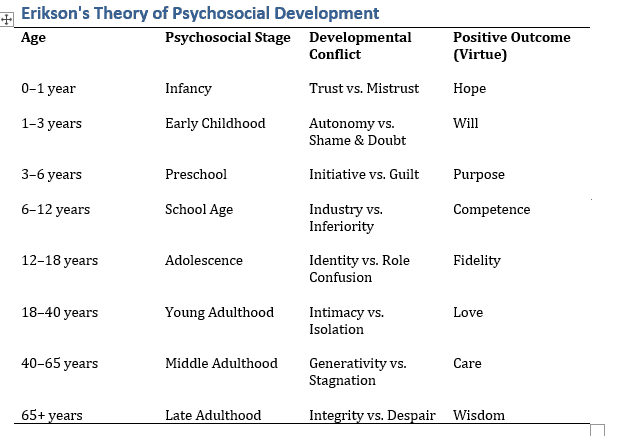
According to Erikson’s theory of psychosocial development, every person has to complete all eight stages of development for healthy growth and development in his life.
Trust vs. Mistrust (Infancy)
Autonomy vs. Shame and Doubt (Early Childhood)
Initiative vs. Guilt (Preschool)
Industry vs. Inferiority (School Age)
Identity vs. Role Confusion (Adolescence)
Intimacy vs. Isolation (Young Adulthood)
Generativity vs. Stagnation (Middle Adulthood)
Integrity vs. Despair (Late Adulthood)
Key Differences between Freud and Erikson:
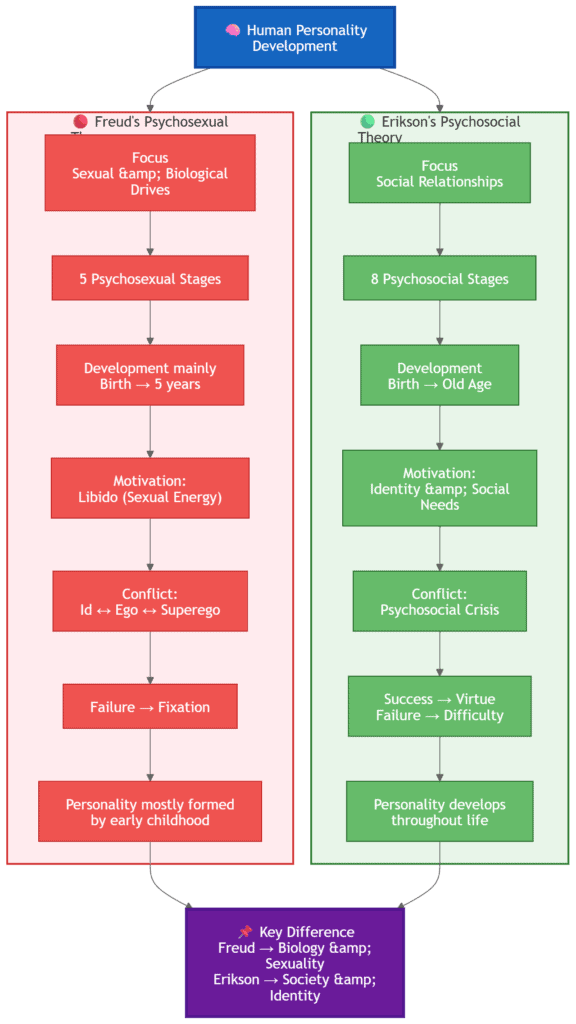
1.Freud’s psychosexual theory focuses mainly on feeding, while Erikson’s theory of psychosocial development focuses mainly on caring.
2. According to Freud, the main source of happiness for children is food. According to him, children create problems in life when they don’t get proper food from their parents in the early stages as and when needed. In contrast, according to Erikson, children create problems in life when they do not get proper attention from their parents.
3. Both theories have emphasized the development of a sense of trust in the first stage of development, but the primary means of development are different in both; Freud considered oral stimulation as the main primary means, while Erikson considered the sensitivity of the child’s caregivers as the main primary means.
4. According to Erikson, the main factors that influence the development of a human are social interaction, environmental factors, and cultural factors. In contrast, according to Freud, the main factors that influence human development are individuals’ basic needs and biological forces focused on sexuality.
5. Freud’s theory ends at the adolescence stage, and he neglects the adult and further stages, which is the main limitation of Freud’s theory, while Erikson’s theory covers the entire lifespa